
Tooth decay remains one of the most common childhood health concerns, even in families who brush well. Many parents wonder whether diet can genuinely lower the risk of cavities, or if brushing is the only factor that matters. The truth is that certain foods that help prevent cavities actively support the natural defenses of the mouth, while others make teeth more vulnerable.
Food affects the balance between harmful bacteria, saliva, and tooth structure. Choosing the right options throughout the day can make it harder for decay to begin — especially in growing children whose enamel is still maturing.
Early guidance from a pediatric dentistry perspective often emphasizes diet alongside brushing, fluoride exposure, and regular dental monitoring.
How do foods that help prevent cavities actually protect teeth?
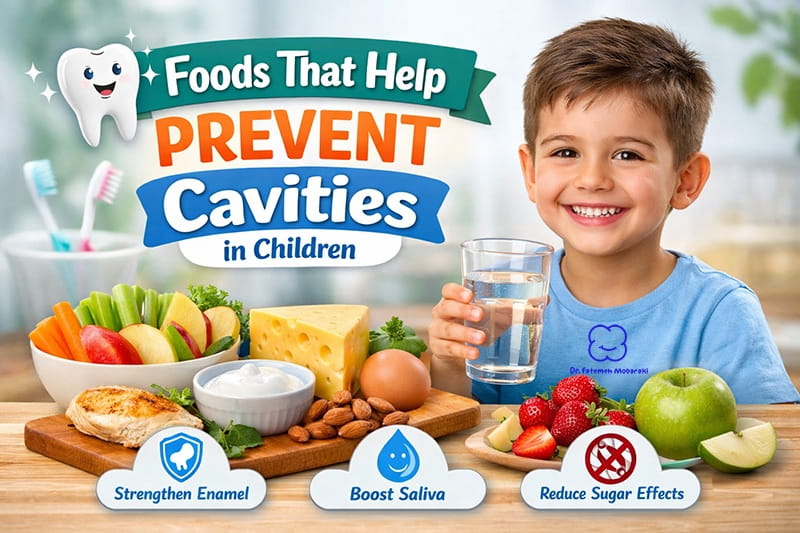
Foods that help prevent cavities work in three main ways: they strengthen enamel, increase saliva flow, or reduce the ability of bacteria to produce acids. Cavities form when bacteria break down sugars and release acids that weaken the tooth surface. Protective foods interrupt this cycle.
Some foods provide minerals like calcium and phosphorus that help rebuild early enamel damage. Others stimulate saliva, which naturally neutralizes acids and washes away food debris. Certain textures also mechanically clean the teeth during chewing.
Children who frequently eat protective foods between meals tend to have fewer long acid attacks compared to those who snack on sticky carbohydrates.
Why does saliva matter when choosing food that prevents cavities?
Saliva is one of the body’s strongest natural defenses against tooth decay. It dilutes sugars, buffers acids, and delivers minerals back to enamel. Foods that help avoid cavities often stimulate saliva production, which shortens the time teeth are exposed to harmful acidity.
Crunchy vegetables, fibrous fruits, and protein-rich foods all require chewing, which increases saliva flow. In contrast, soft processed snacks dissolve quickly and allow acids to remain in contact with teeth longer.
Encouraging children to drink water after meals also supports this natural cleansing system.
What dairy foods help prevent cavities in children?
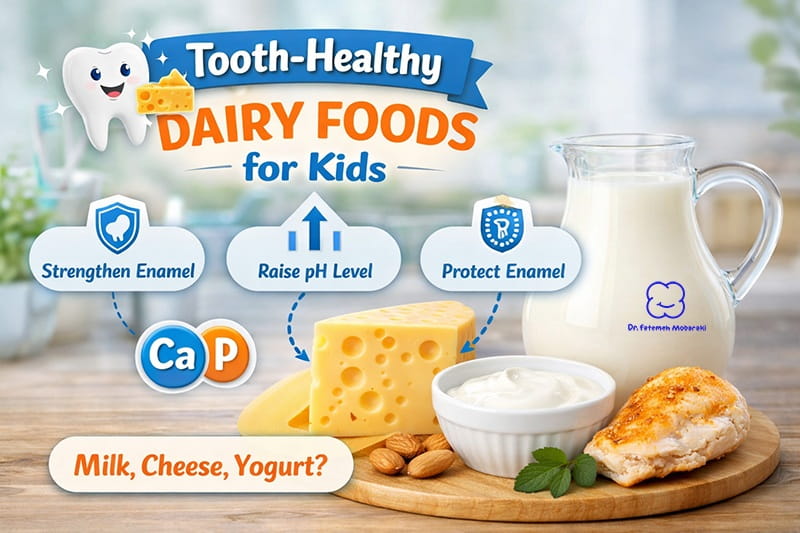
Milk, cheese, and plain yogurt are considered some of the most effective foods that help prevent cavities. They provide calcium and phosphorus, two minerals essential for enamel repair. Cheese is especially beneficial because it raises the mouth’s pH, making it less acidic after eating.
These foods also contain casein proteins that form a protective film on enamel. For children who tolerate dairy, offering cheese cubes or plain yogurt as snacks can be safer than crackers or sweetened snacks.
Families receiving guidance from a pediatric dentist in dubai often hear that dairy-based snacks are tooth-friendly options between meals.
Are crunchy fruits and vegetables a food that prevents cavities?
Yes, certain fruits and vegetables can function as a food that prevents cavities, especially those with a firm, fibrous texture. Apples, carrots, cucumbers, and celery help stimulate saliva and physically disrupt plaque buildup on tooth surfaces.
They do contain natural sugars, but their high water content and chewing action reduce the risk compared to sticky snacks. Serving them whole rather than juiced preserves their protective qualities.
Pairing fruits with cheese or nuts further reduces the impact of natural sugars on enamel.
How do proteins and nuts support cavity prevention?
Proteins such as eggs, chicken, fish, and nuts provide phosphorus, which works with calcium to rebuild enamel crystals. These are excellent foods that help prevent cavities because they do not feed acid-producing bacteria the way simple carbohydrates do.
Nuts also stimulate saliva and contain healthy fats that do not stick to teeth. For older children who can chew safely, almonds and walnuts can be good snack options.
Balanced meals with protein reduce the frequency of sugar exposure throughout the day, which is just as important as brushing.
Does water count as a food that helps avoid cavities?
Water plays a direct role in cavity prevention, especially when it contains fluoride. Fluoride strengthens enamel and helps reverse early mineral loss. Drinking water after meals rinses away sugars and acids, lowering decay risk.
In warm climates, children may drink frequently. Encouraging water instead of juice or sweet drinks reduces repeated acid attacks. This simple habit supports the benefits of other foods that help prevent cavities.
Which foods should be limited, even if they seem healthy?
Some foods appear nutritious but increase decay risk because they stick to teeth or are eaten frequently. Dried fruits, sweetened cereals, crackers, and fruit juices allow bacteria to produce acids for extended periods.
Even foods that prevent cavities cannot fully protect teeth if sticky carbohydrates are consumed often without rinsing or brushing. Frequency matters more than portion size. It is safer for children to eat sweets occasionally with meals rather than snacking on them throughout the day.
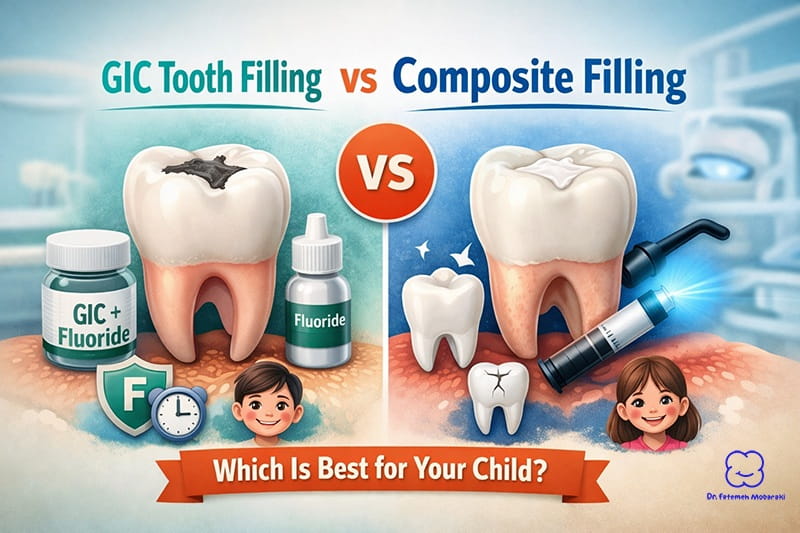
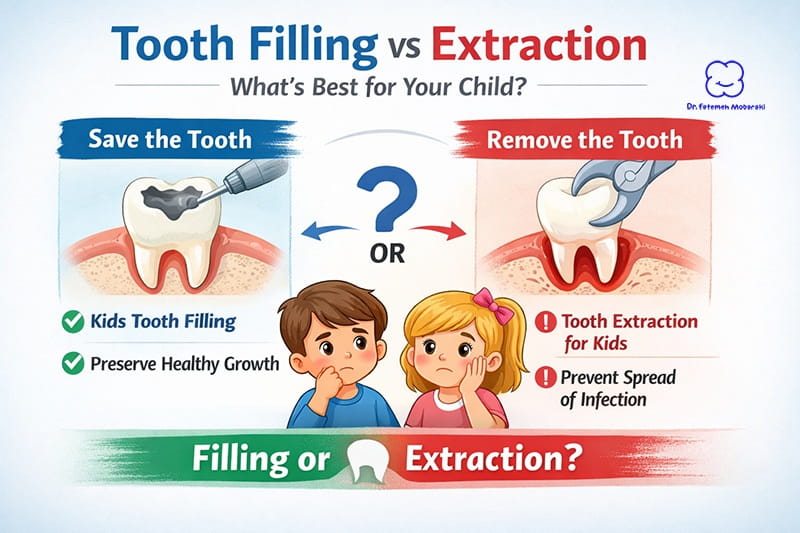
When cavities do develop despite good habits, treatments such as kid cavity filling may be needed to restore tooth structure.
When early decay is detected, dentists sometimes use minimally invasive approaches to stop cavities from getting worse, especially in baby teeth. One method parents may read about is the Hall Technique in Pediatric Dentistry, which seals decay under a protective crown without drilling in certain cases. Understanding preventive nutrition alongside these modern treatment strategies gives families a broader view of how cavities can be managed and avoided.
How does timing affect how food interacts with teeth?
The mouth becomes acidic after eating. This acidic phase can last 20–40 minutes. Frequent snacking restarts this cycle repeatedly. Foods that help prevent cavities are most effective when they replace sugary snacks between meals.
Structured meal times allow saliva to return the mouth to a neutral state. Offering protective foods like cheese, nuts, or vegetables as snacks helps limit acid exposure.
What role do primary teeth play in cavity prevention?
primary teeth have thinner enamel than adult teeth, making them more vulnerable to acid damage. That is why diet plays a major role in early childhood.
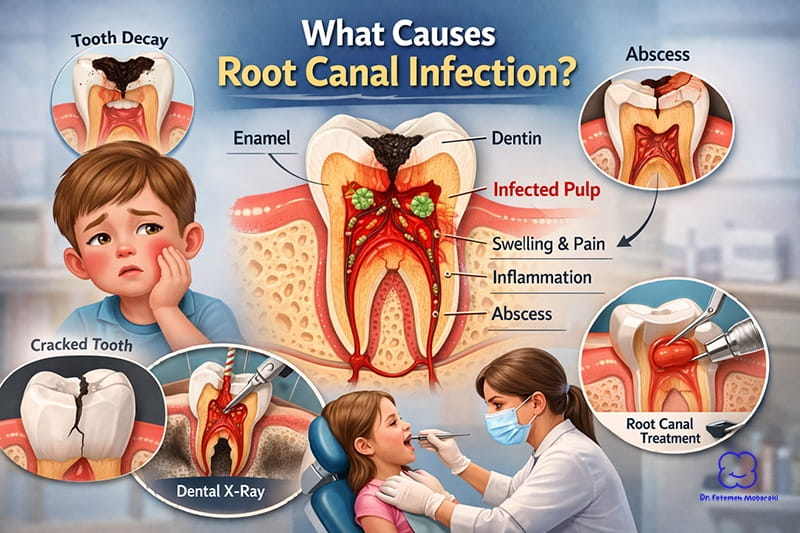
When decay affects baby teeth, it can sometimes progress to the nerve, requiring treatments such as root canal treatment for baby teeth to preserve the tooth until it naturally falls out.
Food choices during the early years influence not only current health but also the development of permanent teeth.
Expert insight
Research in preventive dentistry shows that diet patterns emphasizing mineral-rich, low-sugar foods reduce the incidence of dental caries in children. Protective foods support enamel remineralization and help maintain a healthier oral environment alongside fluoride exposure and oral hygiene.
How does local diet in Dubai affect children’s teeth?
In Dubai, children often have access to both nutritious foods and frequent sugary snacks. Juice boxes, sweetened milk drinks, and packaged snacks are common in school settings. Parents seeking guidance from Dr. Fatemeh Mobaraki may learn that combining traditional meals with tooth-friendly snacks can significantly reduce cavity risk.
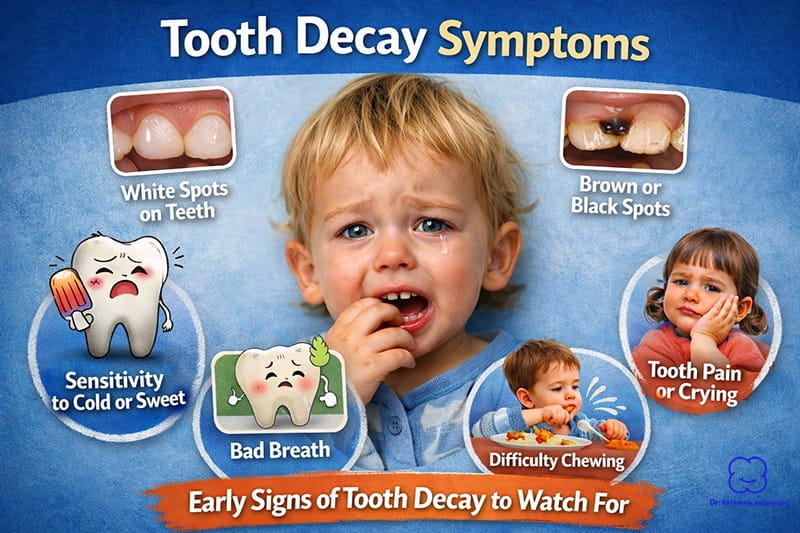
Understanding Dental Cavities in Children also helps families recognize how diet and bacteria interact.
For some children with severe anxiety around dental care, approaches like child sedation dentistry may be used to provide treatment safely when necessary.
Conclusion
Foods that help prevent cavities do more than nourish the body — they strengthen enamel, increase saliva, and reduce acid attacks on teeth. Dairy products, crunchy vegetables, proteins, nuts, and water support the mouth’s natural defenses, especially for vulnerable primary teeth.
Diet alone cannot replace brushing and fluoride, but it plays a powerful supportive role. Small daily choices, repeated over time, create a healthier oral environment and lower the likelihood of decay.