
fbpx

Root Canal Treatment for Children in Dubai

Safe, Stress-Free Root Canal Care to Keep Little Teeth Healthy

When a child’s tooth becomes deeply decayed or infected, the pain can be severe, and the damage can spread quickly. A gentle root canal treatment helps save the tooth, relieve discomfort, and prevent the infection from affecting surrounding teeth or gums. For children, preserving baby teeth is essential — they guide permanent teeth into the right position and support healthy chewing and speech development. With early treatment and child-friendly techniques, we keep your child comfortable while protecting their smile as it grows.

What Is Pediatric Root Canal Treatment?

A pediatric root canal is a gentle procedure used to treat deep decay or infection inside a child’s tooth. Instead of removing the tooth, we clean the infected nerve tissue, disinfect the area, and protect the tooth so it can stay healthy until it naturally falls out.
This treatment relieves pain, stops the infection from spreading, and helps your child chew and speak normally. In most cases, the tooth is covered with a crown afterward to keep it strong. Pediatric root canals are safe, comfortable, and designed to keep your child’s smile healthy as they grow.

Root Canal Treatment Procedure for Children

Phase 1: Consultation & Diagnosis

We begin by examining your child’s tooth and confirming whether a root canal is needed.
 This includes:

A gentle clinical examination

Digital X-rays to check the extent of decay or infection

Assessing your child’s symptoms (pain, sensitivity, swelling)

Explaining the treatment plan clearly to you as a parent

Our goal is to make sure you understand why the treatment is needed and how we will keep your child comfortable every step of the way.

Phase 2: Root Canal Treatment

Once your child is comfortable — often with laughing gas if needed — we begin the procedure. The steps are simple and child-friendly:

Numbing the Tooth

We gently numb the area so your child feels no pain during the treatment.

Removing the Infection

The decayed or infected nerve tissue inside the tooth is carefully cleaned out.This immediately relieves pressure and pain.

Disinfecting & Sealing the Tooth

We clean the inside of the tooth to remove bacteria and place a protective medicine to help the tooth heal and stay infection-free.

Restoring the Tooth

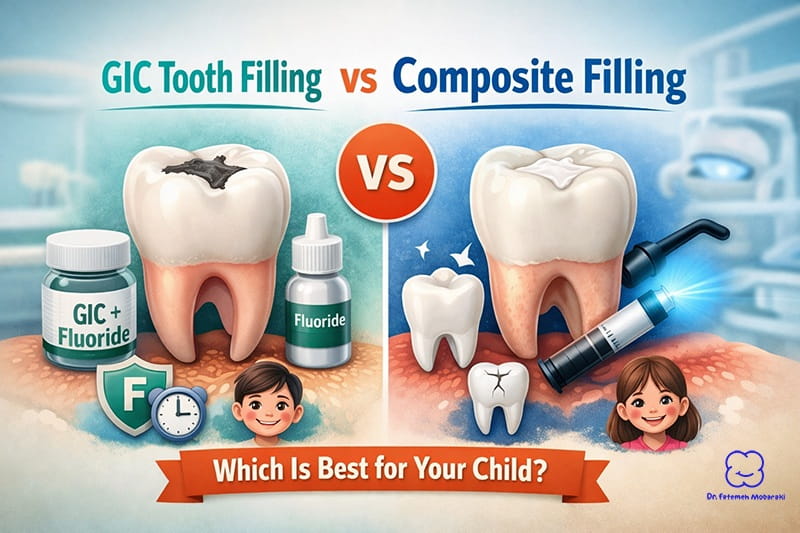
Most teeth treated with a pediatric root canal are covered with a stainless steel or zirconia crown.
 This protects the weakened tooth and prevents future fractures.

The entire process is safe, efficient, and designed to keep your child relaxed throughout.

Phase 3: Recovery & Follow-Up Care

After the treatment, your child may feel mild tenderness for a day — but most return to normal eating and activities quickly.
We will:

Review aftercare instructions with you

Monitor the tooth at routine check-ups

Ensure the crown stays strong and the tooth remains healthy until it naturally falls out

Proper follow-up ensures long-term comfort and protects the developing permanent tooth underneath.

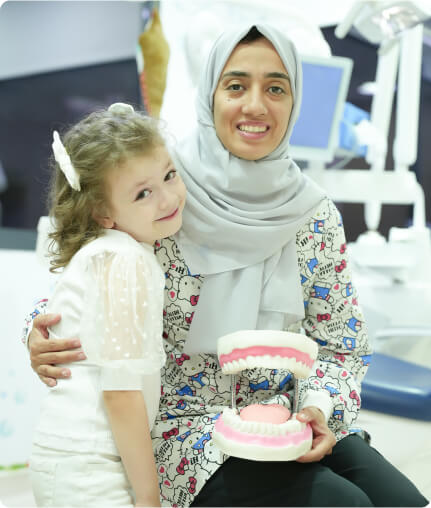
Dr. Fatemeh Mobaraki - Pediatric Dentist in Mirdif providing expert dental care for children.

Why Parents Trust Dr. Mobaraki for Their Child’s Root Canal Treatment

Root canal treatment can sound intimidating for parents, but with Dr. Mobaraki’s gentle approach and extensive pediatric experience, families feel confident knowing their child is in caring hands. She takes the time to understand each child’s comfort level, explains every step clearly to parents, and uses child-friendly techniques to make the procedure completely pain-free.
With a calm manner, advanced pediatric training, and a genuine love for working with children, Dr. Mobaraki creates a safe and reassuring environment where even anxious or sensitive children feel relaxed. Her focus is always on preserving your child’s oral health, preventing future problems, and making every visit as positive as possible.

What Foods Are Safe for Children to Eat After a Root Canal Treatment?

After a root canal, children should stick to soft, gentle foods that don’t require much chewing and won’t irritate the treated tooth. Because the area may be numb for a short time, choosing safe foods also helps prevent accidental biting of the lips or cheeks.

Children usually return to normal eating within a day or two, but soft foods help protect the tooth and crown while the area settles.

Safe Foods for Children:

  • Yogurt
  • Mashed potatoes
  • Scrambled eggs
  • Smoothies (spoon
  • fed, not with a straw)
  • Soup (warm, not hot)
  • Applesauce
  • Soft pasta
  • Oatmeal or porridge
  • Soft bread or
  • pancakes

Foods to Avoid:

  • Hard foods (nuts, chips, raw vegetables)
  • Sticky foods (chewing gum, toffee, gummies)
  • Very hot foods or drinks
  • Crunchy snacks
  • Chewy meats

When Do Children Need Root Canal Treatment?

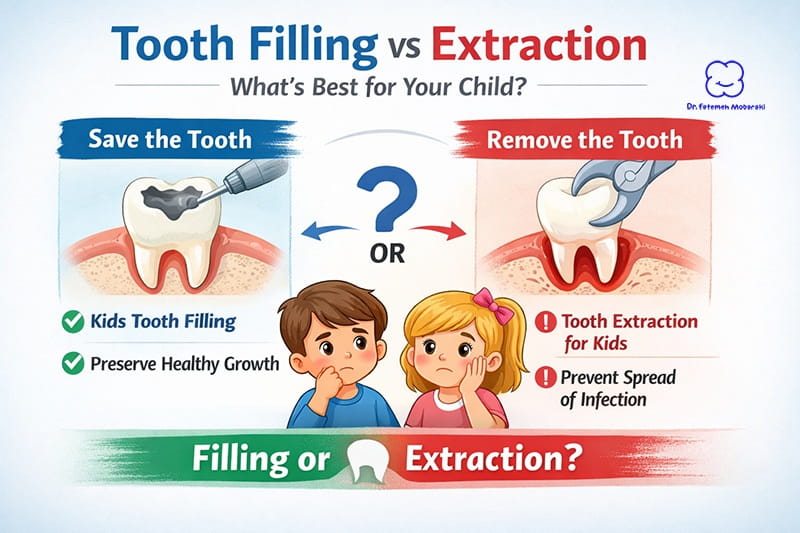
Children may need a root canal when decay or infection reaches the nerve (pulp) of the tooth and causes pain, swelling, or sensitivity. Baby teeth have thinner enamel than adult teeth, so cavities can spread quickly and reach the nerve faster. Treating the infection early helps save the tooth, protect the developing permanent tooth underneath, and prevent more serious problems.

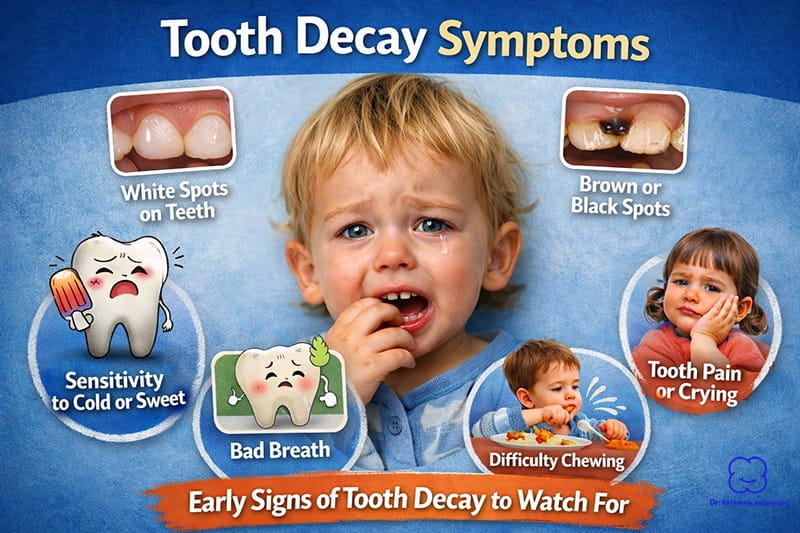
Your child may need a root canal if they experience:

1. Persistent Toothache or Pain

If your child is complaining about ongoing pain — especially at night or while eating — it may indicate nerve involvement.

2. Sensitivity to Hot, Cold, or Sweets

Sharp sensitivity or lingering discomfort often suggests deep decay affecting the nerve.

3. Swelling or Gum Abscess Near the Tooth

A bump on the gum (gum boil) or swelling is a strong sign of infection that needs immediate treatment.

4. Deep Cavities Detected During an Exam

Sometimes a child may feel no symptoms, but X-rays show that decay has reached the pulp. Treating early prevents severe pain and infection.

5. Trauma or Injury to a Tooth

A fall or accident can damage the nerve even without visible cracks. A root canal helps save the tooth and prevent long-term issues.

6. Increased Mobility of the Tooth (Not Normal Wiggling)

If a tooth becomes loose due to infection rather than natural exfoliation, root canal treatment may be necessary.

Advantages of Root Canal Treatment for Children

A pediatric root canal may sound intimidating, but it is actually one of the most effective and gentle ways to relieve pain, stop infection, and protect your child’s smile. Saving the natural tooth provides important long-term benefits that support healthy oral development.

Relieves Pain Quickly

Deep decay or infection can cause constant discomfort.
Root canal treatment removes the source of pain, helping your child feel comfortable again — often right after the procedure.

Stops Infection From Spreading

If left untreated, infection can spread to surrounding teeth, gums, and even the developing permanent tooth.
A root canal removes harmful bacteria and prevents future complications.

Saves the Natural Tooth

Baby teeth play a crucial role in:
 . chewing
  . speech development
  . spacing for permanent teeth
Saving the tooth keeps everything functioning the way it should until the adult tooth is ready to come in.

Prevents Early Tooth Loss and Orthodontic Problems

Losing a baby tooth too early can cause neighboring teeth to shift into the empty space, leading to crowding or misalignment.
 A root canal keeps the tooth in place, supporting proper alignment and reducing orthodontic issues later.

Restores Normal Chewing and Eating

Children with infected teeth often avoid biting or chewing on one side.

After treatment, they can eat comfortably again and enjoy their normal diet.

Protects the Developing Permanent Tooth

Treating infection early prevents it from reaching the permanent tooth underneath, helping ensure healthy development.

Frequently Asked Questions About Kids Tooth Filling

Yes. Pediatric root canal treatment is very safe when performed by an experienced children’s dentist. The procedure uses gentle techniques and child-friendly materials designed specifically for young teeth. It helps remove infection, relieve pain, and protect the developing permanent tooth underneath.

No. The tooth is completely numbed before treatment, and many children also feel more relaxed with laughing gas if needed. Most kids say they didn’t feel anything except light pressure. The goal is a pain-free, stress-free experience.

Signs may include:

  • Severe toothache
  • Sensitivity to hot, cold, or sweets
  • A gum bump or swelling
  • Pain while chewing
  • Deep decay detected on X-rays
  • Tooth discoloration
    A dental exam and X-ray are the best way to confirm the diagnosis.

Baby teeth act as natural “space holders” for permanent teeth. Removing them too early can cause:

  • crowding
  • misalignment
  • bite problems
  • need for orthodontics later

A root canal saves the tooth so it can guide the permanent tooth properly.

Yes, in most cases. After treatment, the tooth becomes more fragile, so a stainless steel or zirconia crown is placed to protect it. This helps the tooth stay strong until it naturally falls out.

A properly treated and crowned baby tooth usually lasts until it naturally exfoliates (falls out). Regular dental checkups help ensure everything stays healthy.

No—quite the opposite. By removing infection early, we protect the permanent tooth from damage. Treating the baby tooth helps ensure the adult tooth develops normally.

Not always. Many children do great with local anesthesia alone.
 However, for anxious children, young patients, or long procedures, laughing gas can make the visit much more comfortable.

Cost of Root Canal Treatment for Children in Dubai

The cost of a pediatric root canal treatment can vary depending on several factors. At our clinic, we aim to provide high-quality, child-friendly care while keeping treatment plans transparent and straightforward for parents.

What Affects the Cost?

Complexity of the Infection

Simple cases may require only basic pulp treatment, while more advanced infections need more time and care.

Tooth Condition & Crown Placement

After root canal, many teeth need a protective crown (stainless steel or zirconia), which affects the overall cost.

Need for Sedation or Special Care

For anxious children or those needing sedation (e.g. laughing gas), the procedure may involve additional monitoring or time.

Number of Teeth Treated

Treating more than one tooth naturally increases the costs compared to a single-tooth procedure.

Follow-Up and Aftercare

Post-treatment care, checkups, and potential adjustments may contribute to the final cost.
Clear and Transparent Treatment Plan

During your consultation, we’ll assess your child’s condition and provide a detailed treatment plan — including what’s needed and whether a crown or sedation will be involved.
 You’ll receive a full breakdown of all components of the cost before we begin, so there are no surprises.

Locations:

📌 Dubai London Clinic – Nakheel Mall

Al Hilali Nakheel Mall Lower Ground Level I B-1001a, 02, 03a Palm – Jumeirah – Dubai

📌 Dr Paul's Dental Clinic Mirdif

Al Barajeel Oasis Complex – 4001 47th St -Mirdif – Dubai