
Tooth decay symptoms in toddlers can be subtle at first, and many parents don’t realize there’s a problem until discomfort begins. In early stages, cavities may not cause pain, which makes recognizing visual and behavioral signs especially important. Understanding these early clues helps protect primary teeth and prevent more complex treatment later.
In daily life, it’s easy to mistake early dental changes for normal variation. A small white spot, slight discoloration, or mild sensitivity may not seem urgent—but these can be the first indicators of enamel breakdown. For families seeking guidance from a childrens dental clinic, early awareness often makes a significant difference in treatment outcomes.
What Are the First Tooth Decay Symptoms in Toddlers?
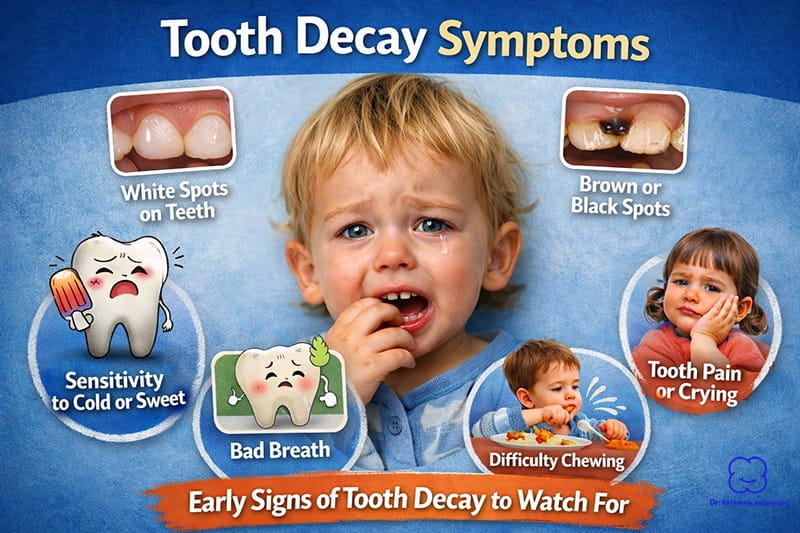
The first tooth decay symptoms in toddlers usually appear as subtle changes on the tooth surface. These early signs often include white chalky spots, especially near the gumline, where plaque tends to accumulate.
At this stage, enamel is beginning to lose minerals—a process known as demineralization. Parents might also notice that teeth look less shiny or slightly rough in certain areas. These changes are easy to miss without close inspection.
As decay progresses, these spots may turn yellow or light brown. Importantly, toddlers rarely complain at this stage, which is why visual observation matters more than relying on symptoms like pain.
“Noticing early signs? A gentle dental check can help clarify what’s normal and what needs care.”
How Do Early Signs of Tooth Decay Progress Over Time?
Early signs of tooth decay don’t remain static—they evolve if not addressed. After initial demineralization, bacteria continue breaking down enamel, leading to visible cavities.
Progression typically follows this pattern:
- White spots on baby teeth → early enamel damage
- Yellow or brown discoloration → deeper enamel involvement
- Small holes (cavities) → structural damage
- Pain or sensitivity → dentin involvement
At this point, intervention such as a tooth filling for kids may be needed to restore the tooth and stop further damage.
If untreated, decay can reach the inner pulp, increasing the risk of infection and more invasive procedures.
Baby Tooth Decay Symptoms: What Should Parents Look For at Home?
Baby tooth decay symptoms often show up in everyday situations. Parents may notice changes during feeding, brushing, or even when a child smiles.
Common signs include:
- Visible dark spots or lines on teeth
- Food getting stuck in certain areas
- A toddler avoiding chewing on one side
- Increased irritability during meals
- Sensitivity to cold or sweet foods
Another overlooked sign is bad breath in kids. Persistent odor, despite regular cleaning, may indicate bacterial activity associated with decay.
These symptoms don’t always appear together. Even one consistent change is enough to justify closer evaluation.
When Does Tooth Decay Start in Toddlers?
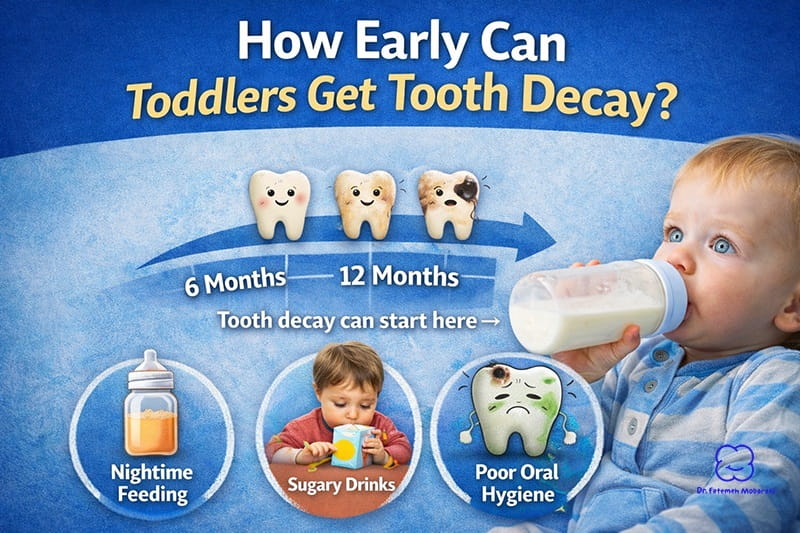
Tooth decay can begin soon after the first teeth erupt—sometimes as early as 6 to 12 months of age. This is particularly true if feeding habits allow sugars to remain on teeth for extended periods.
Frequent nighttime feeding, especially with milk or juice, increases risk because saliva flow decreases during sleep. Without adequate cleaning, sugars feed bacteria that produce acids damaging enamel.
Environmental factors also play a role:
- Diet high in fermentable carbohydrates
- Inconsistent brushing routines
- Limited fluoride exposure
- Deep grooves in molars
Early childhood caries is not uncommon, but it is preventable with proper habits and awareness.
Why Do Some Toddlers Develop Cavities Faster Than Others?
Not all children develop decay at the same rate. Several biological and behavioral factors influence susceptibility.
Some toddlers naturally have weaker enamel or deeper pits in their teeth, making it easier for bacteria to thrive. Others may have feeding patterns that increase exposure to sugars.
Key risk factors include:
- Frequent snacking or sipping sugary drinks
- Prolonged bottle or breastfeeding at night without cleaning
- Poor oral hygiene routines
- Transmission of cavity-causing bacteria from caregivers
In more advanced cases, restoring function and protecting the tooth may involve treatments like silver crowns for children, especially when decay affects larger portions of the tooth.
Can Tooth Decay Cause Pain in Toddlers?
Yes, but pain is usually a late symptom. In early stages, tooth decay is typically painless because it affects only the enamel.
Pain begins when decay reaches the dentin or pulp. At this point, toddlers may:
- Cry while eating
- Wake up at night due to discomfort
- Refuse certain foods
- Touch or point to their mouth
Because toddlers may not clearly express pain, behavioral changes are often the most reliable indicators.
Waiting for pain to appear usually means the decay has progressed significantly.
How Can Parents Tell the Difference Between Staining and Decay?
Not all discoloration is decay, but distinguishing between the two can be challenging without professional evaluation.
Stains are usually:
- Uniform in color
- Surface-level
- Not associated with texture changes
Decay, on the other hand, often appears:
- Patchy or irregular
- Matte or chalky in early stages
- Soft or sticky in advanced stages
If unsure, it’s safer to assume any persistent discoloration needs assessment. Early diagnosis prevents unnecessary progression.
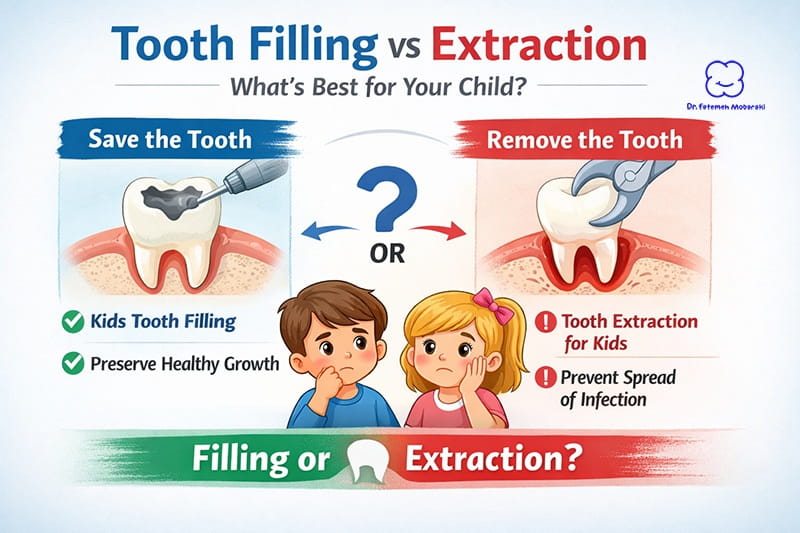
For parents comparing treatment approaches, reading about Tooth Filling or Extraction can provide helpful context on how dentists decide between saving or removing a tooth.
What Role Does Diet Play in Early Tooth Decay?
Diet is one of the strongest contributing factors to tooth decay in toddlers. Frequent exposure to sugars—not just the amount, but how often—drives the decay process.
Sticky foods, fruit juices, and even natural sugars in milk can contribute when oral hygiene is insufficient.
Protective dietary habits include:
- Limiting sugary snacks between meals
- Offering water after feeding
- Encouraging balanced meals
- Avoiding prolonged bottle use
If you want a deeper understanding of how nutrition influences oral health, you can read this: How Diet Prevents Tooth Decay in Children.
When Should a Toddler See a Pediatric Dentist for Suspected Decay?
A toddler should be evaluated as soon as any sign of tooth decay appears—even if it seems minor. Early visits allow for non-invasive management and monitoring.
General recommendations include:
- First dental visit by age 1
- Regular check-ups every 6 months
- Immediate visit if discoloration or sensitivity appears
In Dubai, pediatric dental care is widely accessible, and early consultations focus on prevention, education, and gentle intervention.
Dr. Mobaraki and other pediatric dental professionals often emphasize early detection as the most effective way to avoid complex treatments.
Expert Insight: Why Early Detection Matters
Tooth decay is a dynamic, biofilm-driven disease influenced by diet, bacteria, and host factors. Early enamel lesions can often be reversed through remineralization strategies, including fluoride exposure and improved oral hygiene. Once cavitation occurs, restorative treatment becomes necessary, highlighting the importance of early identification.
Conclusion: Recognizing Small Changes Makes a Big Difference
Tooth decay symptoms in toddlers often begin quietly—with small visual changes rather than pain. White spots, mild discoloration, or subtle behavioral shifts are early signals that shouldn’t be overlooked.
With timely attention, many cases can be managed before they progress. Parents who stay observant and proactive help preserve their child’s primary teeth, supporting both comfort and long-term oral development.
Understanding what to look for is the first step toward prevention—and reassurance.