
When a child complains of persistent tooth pain or swelling, parents often worry about serious dental problems — and one of the most concerning is infection inside the tooth. Many families ask what causes root canal infection, especially when symptoms seem to appear suddenly.
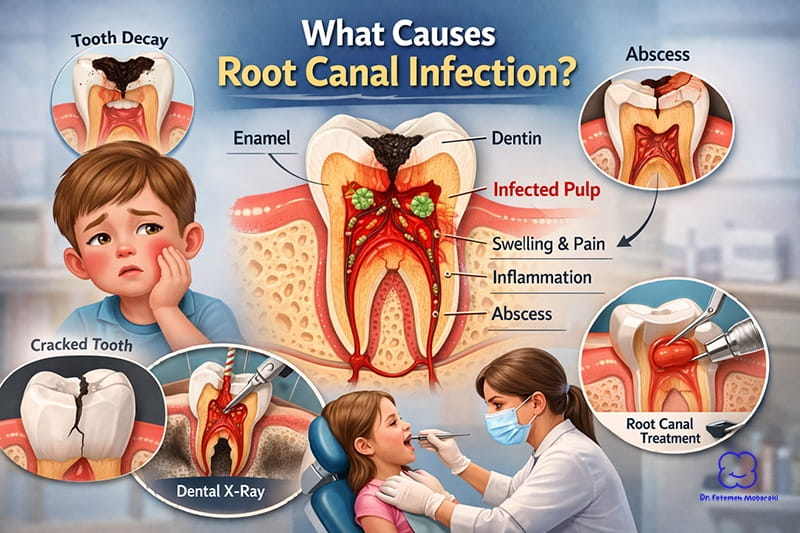
A root canal infection happens when bacteria enter the inner part of a tooth, called the pulp, where nerves and blood vessels are located. This usually occurs after damage to the tooth’s protective layers — enamel and dentin — allowing microorganisms to reach tissue that should normally stay sealed and sterile. Once bacteria enter, inflammation and infection can develop quickly.
Understanding why this happens helps parents recognize risk factors early and respond before discomfort or complications increase.
What Is a Root Canal Infection?
A root canal infection is an infection of the dental pulp — the soft inner tissue of the tooth. This tissue contains nerves, connective tissue, and blood vessels that help nourish the tooth during development.
When bacteria invade the pulp, the body triggers an inflammatory response. Because the pulp is enclosed inside hard tooth structure, swelling creates internal pressure. This pressure often causes pain, sensitivity, and sometimes spread of infection to surrounding bone or gum tissue.
In children, both primary teeth (baby teeth) and permanent teeth can develop pulp infections. Baby teeth are especially vulnerable because they have thinner enamel and larger pulp chambers, which means bacteria can reach the inner tissue more easily than many parents expect.
What Causes Root Canal Infection?
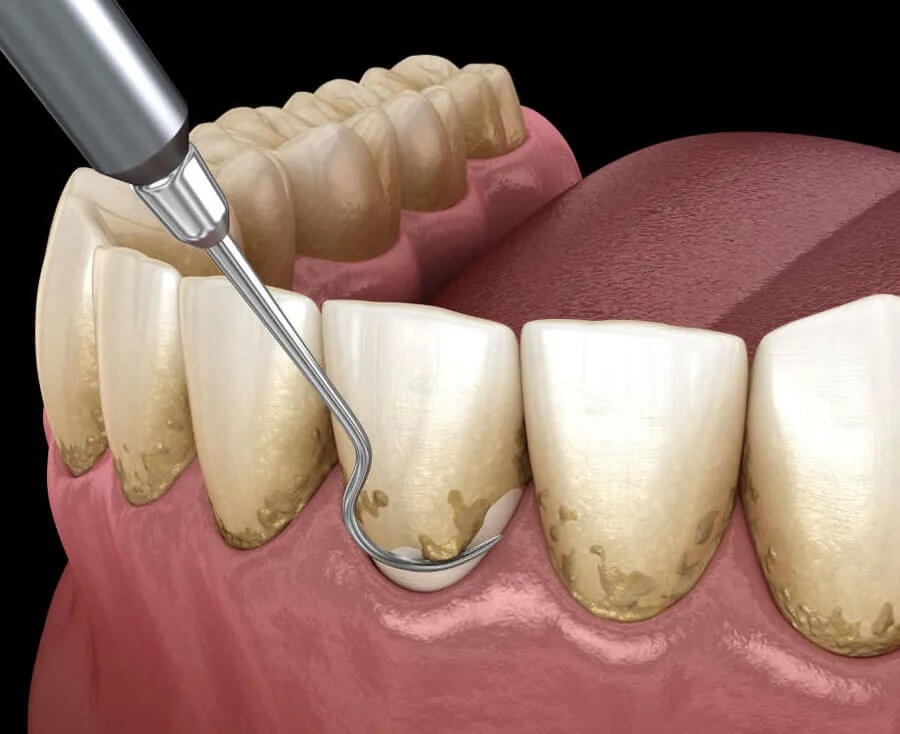
The most common cause is deep tooth decay that progresses through enamel and dentin until bacteria reach the pulp. However, infection does not develop from decay alone. Any pathway that allows bacteria to enter the inner tooth can lead to infection.
Common triggers include:
- Untreated cavities that extend deeply into the tooth
- Cracks or fractures in enamel or dentin
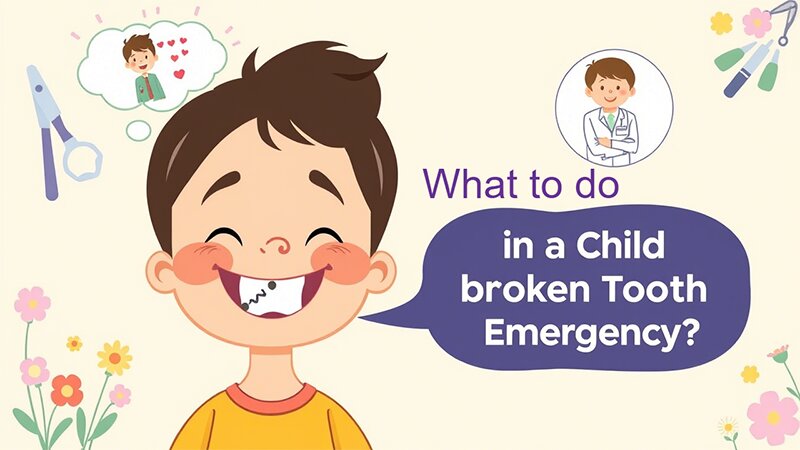
- Dental trauma from falls or sports injuries
- Leakage around fillings or restorations
- Recurrent decay under existing dental work
- Severe structural damage to the tooth
Once bacteria reach the pulp, they multiply rapidly. The body cannot easily clear infection from this enclosed space, which is why treatment such as kids root canal treatment is sometimes needed to remove infected tissue and preserve the tooth.
Main Causes of Root Canal Infection in Children
The primary causes of root canal infection in children typically involve either bacterial entry through decay or structural damage that exposes the pulp.
Children face unique risk factors because:
- Their enamel is thinner than adult enamel
- Decay spreads faster through primary teeth
- Pulp chambers are relatively larger
- Injuries are common during active play
This combination makes early detection essential. Even a cavity that looks small from the outside may be very close to the pulp internally.
Regular examinations with a pediatric dentist help identify early damage before infection develops or spreads.
Can a Small Cavity Really Lead to Infection?
Yes — but it usually happens gradually rather than suddenly.
A cavity begins as mineral loss in enamel. If untreated, bacteria continue breaking down tooth structure and move into dentin, which is softer and more porous. Once decay reaches this layer, progression accelerates.
Eventually, bacteria can penetrate the pulp chamber. At that stage, infection becomes likely and symptoms may begin.
Because early decay is often painless, children may not report any discomfort until infection has already developed. Preventive care and routine monitoring are therefore critical.
How Do Injuries Cause Root Canal Infection?
Dental trauma is a major but sometimes overlooked pathway to infection.
A fall, impact, or sports injury can:
- Crack the tooth surface
- Damage internal blood vessels
- Disrupt pulp vitality
- Create microscopic entry points for bacteria
In many situations, the reason for root canal infection after trauma is reduced or lost blood supply to the pulp. Without proper circulation, the tissue weakens and becomes more vulnerable to bacterial colonization.
Sometimes infection develops slowly after an injury. A tooth may darken or change color weeks or months later — an indication that internal tissue has been damaged.
How Tooth Structure Influences Infection Risk
Children’s teeth are biologically different from adult teeth in ways that affect how infections develop.
Important structural characteristics include:
- Thin enamel protection
- Large pulp chambers
- Shorter distance from surface to nerve tissue
- Faster spread of decay
Because of these features, bacteria need less time to reach inner tissue once enamel is compromised. This is why early intervention is a central principle in pediatric dentistry.
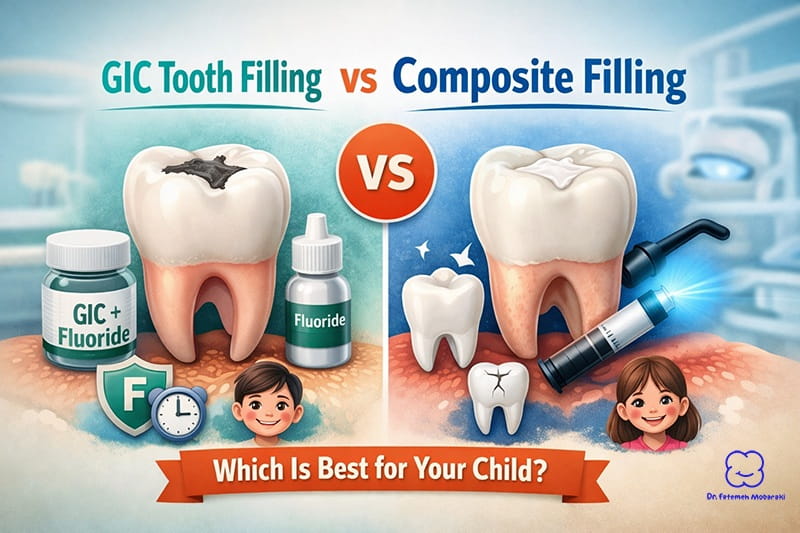
When structural damage is severe or pulp is affected, protective restoration such as a dental crown for child may be recommended to seal and strengthen the tooth after treatment.
Why Does a Root Canal Get Infected Even After Treatment?
Parents sometimes wonder why does a root canal get infected even after treatment has already been completed. Although uncommon, reinfection can occur if bacteria re-enter the tooth or if infection was not fully eliminated initially.
Possible reasons include:
- Microscopic canal branches that are difficult to clean completely
- Breakdown or leakage of protective restorations
- New decay forming around the treated tooth
- Structural fracture exposing internal tissue
- Inadequate sealing after treatment
Proper sealing and long-term protection of the treated tooth are essential to prevent reinfection.
Do Baby Teeth Really Need Root Canal Treatment?
Yes — preserving baby teeth is often important for normal development.
Primary teeth help with:
- Proper chewing and nutrition
- Speech development
- Jaw growth
- Guiding permanent teeth into correct position
If infection damages a baby tooth significantly, treating and preserving it can prevent pain, maintain function, and avoid future alignment problems. Many parents explore this further through resources like Do Baby Teeth Need Root Canals?
Signs Parents May Notice at Home
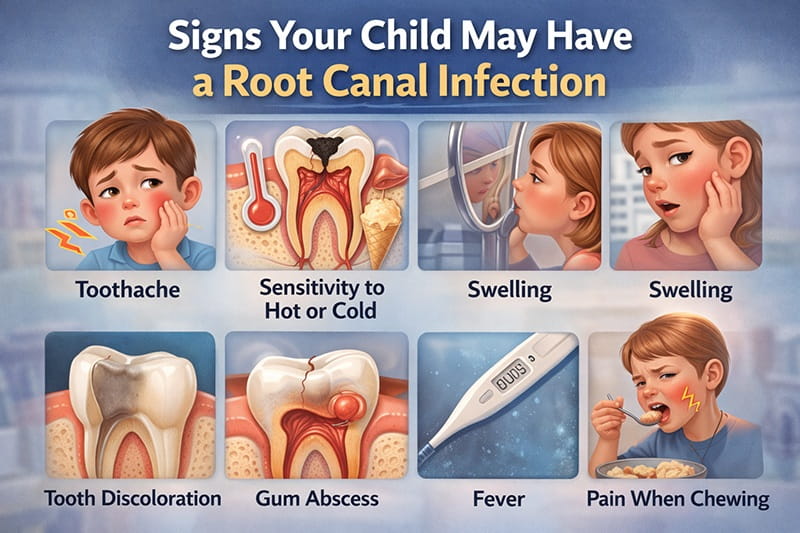
Root canal infection may produce obvious symptoms, but sometimes signs are subtle.
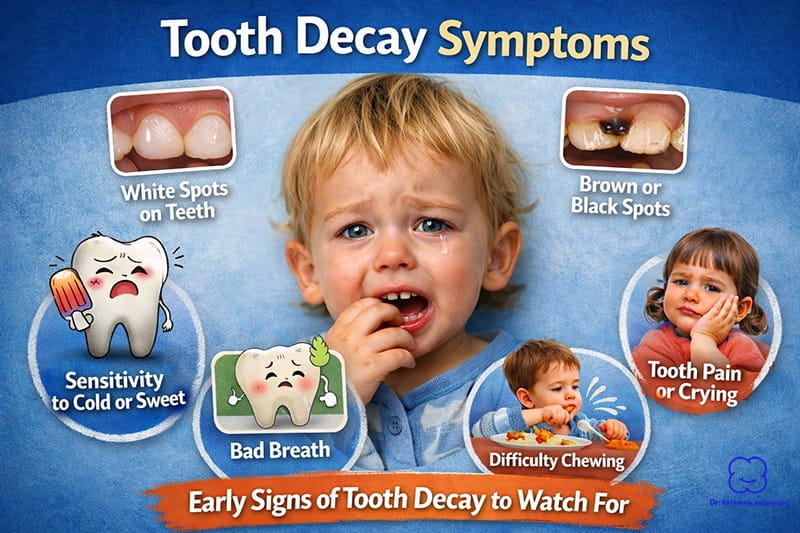
Common warning signs include:
- Persistent or throbbing tooth pain
- Sensitivity to hot or cold
- Swelling in gums or face
- Tooth discoloration
- Pain when chewing
- Gum abscess or pimple-like bump
- Fever in severe cases
Some children feel anxious or have difficulty cooperating during treatment. In such situations, care may be provided by a pediatric dentist with sedation to ensure safety and comfort.
How Pediatric Dentists Identify the Cause of Infection
Diagnosis involves evaluating both symptoms and internal tooth condition.
Dental professionals typically assess:
- Visible decay or structural damage
- History of injury
- Tooth response to temperature or pressure
- Gum health
- Radiographic evidence of pulp or bone involvement
Dental X-rays reveal changes inside the tooth and surrounding bone that cannot be seen externally. Accurate diagnosis allows treatment to target the exact source of infection.
Parents seeking a step-by-step explanation of treatment often benefit from reading a detailed root canal treatment guide for parents.
Expert Insight
Clinical research in pediatric dentistry shows that bacterial invasion of pulp tissue is the central biological mechanism behind root canal infection. Once microorganisms colonize the pulp chamber, inflammation causes tissue breakdown and pressure buildup within rigid tooth structure. Early treatment of decay or trauma before bacterial penetration reaches pulp significantly improves outcomes and reduces the need for complex intervention.
Pediatric Dental Care in Dubai and Early Monitoring
In active urban environments like Dubai, both dental trauma and early childhood cavities are frequent reasons children develop pulp infections. Preventive care and routine monitoring allow dental professionals to detect structural damage before infection becomes advanced.
Pediatric dental specialists focus not only on treating disease but also on protecting long-term growth, comfort, and function. This approach is reflected in clinical practices led by professionals such as Dr. Fatemeh Mobaraki, where care is tailored to the biological and behavioral needs of children.
Can Root Canal Infection Be Prevented?
In many cases, yes. Prevention focuses on protecting enamel and detecting structural damage early.
Effective preventive measures include:
- Routine dental examinations
- Daily brushing with fluoride toothpaste
- Limiting frequent sugar exposure
- Immediate evaluation after dental injury
- Repairing damaged restorations promptly
- Protective mouthguards during sports
Because bacterial access to pulp is the primary driver of infection, maintaining structural integrity of teeth is the most effective defense.
Key Takeaways for Parents
Root canal infection develops when bacteria reach the inner tissue of a tooth — most often through untreated decay, trauma, or structural damage. Children’s teeth are more vulnerable because of their anatomy, and infection can progress faster than many parents realize.
Understanding what causes root canal infection, recognizing early warning signs, and seeking timely care help protect comfort, development, and long-term oral health. With early monitoring and appropriate treatment, most infections can be managed effectively while preserving the natural tooth.
Parents who understand the underlying causes are better prepared to respond calmly and confidently when dental concerns arise.