
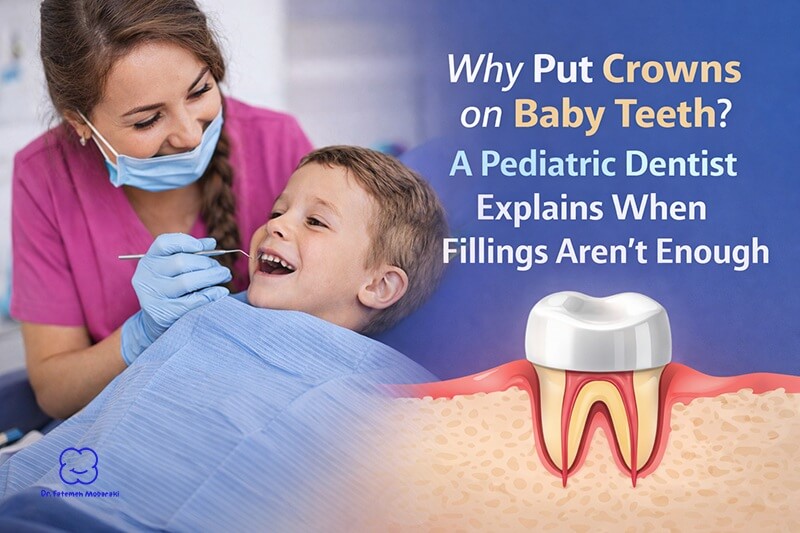
When a dentist explains that a filling is not enough and recommends a crown instead, many parents feel uncertain. It is very common to ask why we should put crowns on baby teeth when those teeth will eventually fall out. The reality is that baby teeth are essential for your child’s comfort, development, and long-term oral health. Choosing to put crowns on baby teeth is often the most effective way to protect them until they naturally fall out at the right time.
This article explains, in simple and practical language, when and why pediatric dentists recommend crowns for children, how crowns differ from fillings, and how they support healthy growth.
Understanding Why Baby Teeth Need Extra Protection
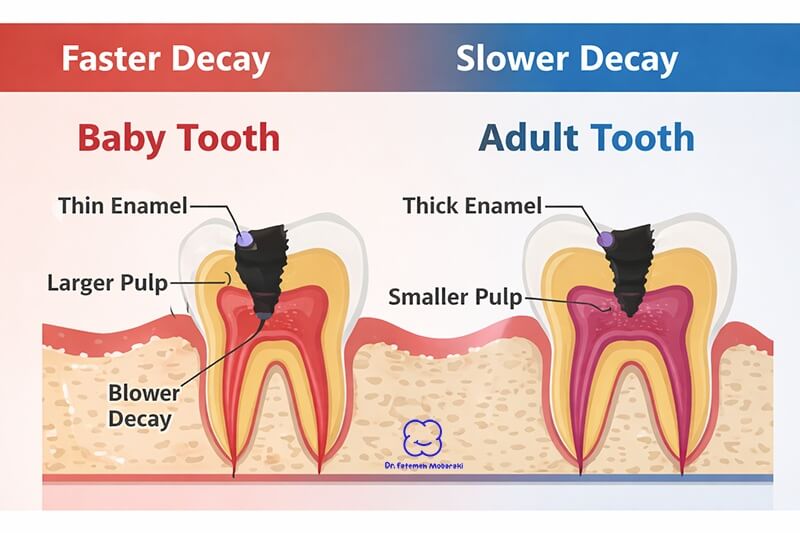
Baby teeth are structurally different from adult teeth. Their enamel is thinner and weaker, which allows cavities to spread much faster. Once decay starts, it can quickly reach the inner part of the tooth, causing pain or infection.
Another important factor is that damaged enamel does not regenerate. When a large portion of a baby tooth is affected, a simple repair is often not strong enough. This is one of the main reasons dentists recommend to put crowns on baby teeth instead of repeatedly fixing fillings that may fail.
If a baby tooth breaks down too early, it can affect chewing, speech, and even the alignment of future permanent teeth. Crowns help keep these teeth functional during the years they are truly needed.
Dental Crown for Kids: When Is It the Best Option?
A dental crown for kids is recommended when a tooth has lost too much structure to be safely restored with a filling. This usually happens when decay is extensive, affects multiple surfaces of the tooth, or when the enamel quality is poor.
Dentists also recommend crowns for children who are at high risk of cavities. In these cases, it is often more predictable to protect the entire tooth rather than repair it piece by piece. When parents wonder whether they should put crowns on baby teeth, the decision is always based on durability, comfort, and long-term success.
Crowns are also commonly used after pulp or root treatment in baby teeth, as these teeth become more fragile and need full coverage protection.
Kids Dental Filling vs. Crown: What Parents Should Know
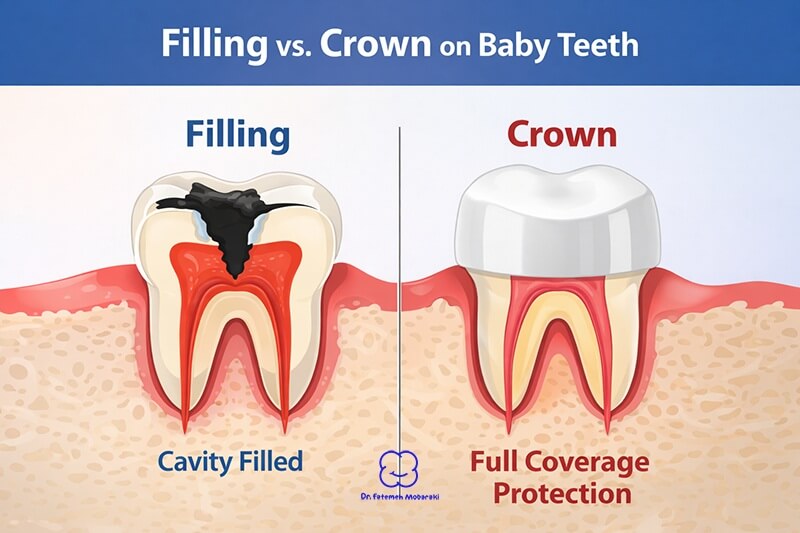
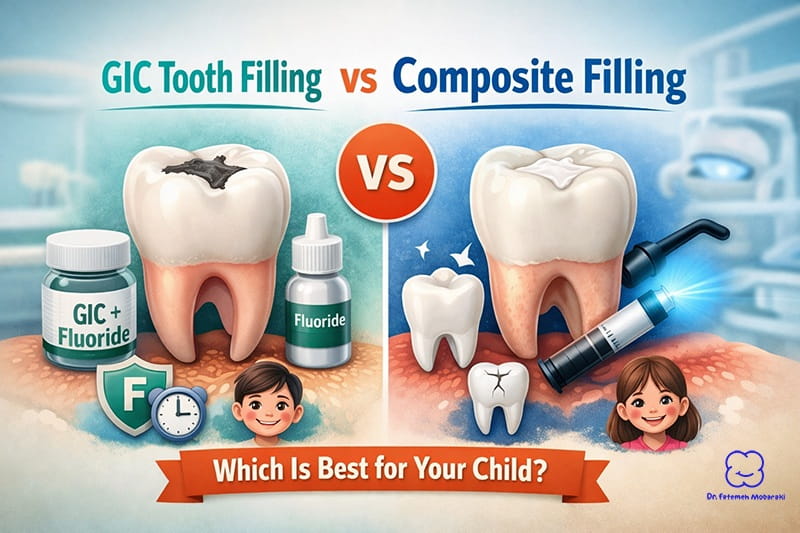
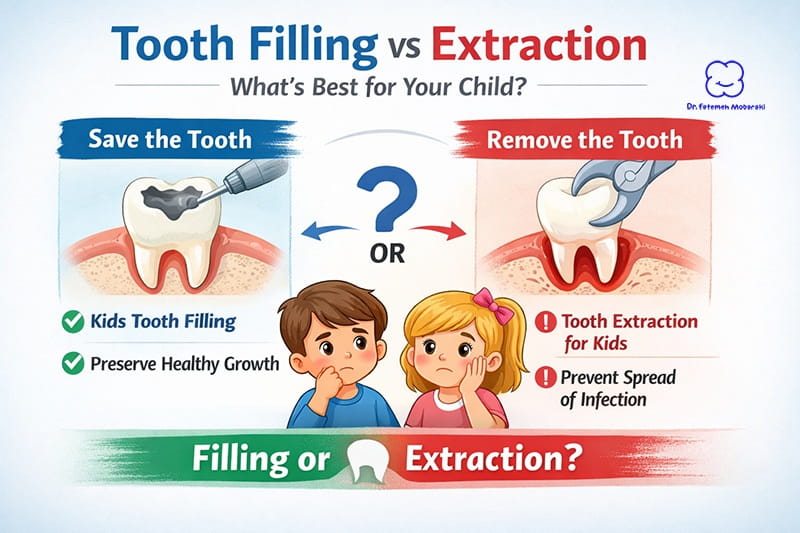
A kids dental filling works well for small cavities where the tooth is still strong. However, fillings rely on bonding to healthy enamel. If the enamel is weak or the cavity is large, fillings may crack, fall out, or allow decay to return underneath.
A crown covers the entire tooth, restoring its shape and strength. Instead of patching damage, it reinforces the tooth completely. This is why pediatric dentists often choose to put crowns on baby teeth that have already had large fillings or repeated decay.
From a parent’s perspective, crowns often mean fewer repeat treatments and less discomfort for the child over time.
Read More: Kids Dental Filling vs. Crown
Does My Child Need Crowns on Baby Teeth?
Parents frequently ask, does my child need crowns, especially if the tooth does not look badly damaged from the outside. Dentists rely on clinical examination and X-rays to make this decision.
If decay has spread across several surfaces, or if the tooth structure is already compromised, a crown is usually the safest option. The goal is to keep the tooth healthy and functional until it naturally falls out, not to remove it early.
In many cases, choosing to put crowns on baby teeth prevents pain, infection, and emergency dental visits later on.
Importance of Dental Crowns in Children’s Oral Development
The importance of dental crowns goes beyond treating cavities. Baby teeth guide permanent teeth into their correct positions and help maintain space in the jaw. Losing them too early can lead to crowding and orthodontic problems.
Crowns also support normal chewing and clear speech. Children with untreated decay may avoid certain foods or experience discomfort, which can affect nutrition and overall wellbeing. By protecting the tooth, crowns allow children to eat, speak, and grow without interruption.
This is why dentists view crowns as a preventive and protective solution, not just a repair.
Benefits of Dental Crowns for Kids
The benefits of dental crowns include strength, durability, and long-term protection. Crowns stop decay from spreading and protect the remaining tooth from breaking.
Unlike natural enamel, crowns are not vulnerable to cavities on their covered surfaces. This makes them especially useful for young children who may still be developing consistent oral hygiene habits.
Another key benefit is reliability. When parents choose to put crowns on baby teeth, they often avoid the cycle of repeat fillings and ongoing dental stress.
Types of Crowns Used in Pediatric Dentistry
Several types of crowns are commonly used for children, depending on the tooth’s location and needs.
Stainless steel crowns are the most widely used option, especially for back teeth. They are extremely durable and usually last until the baby tooth falls out naturally.
Composite strip crowns are typically used on front teeth. They provide a natural appearance and are ideal for restoring broken or decayed incisors, though they are not suitable for molars.
Zirconia crowns are a white, aesthetic option for parents who prefer a metal-free look. They require more tooth preparation and are usually chosen when appearance is a high priority.
Your dentist will recommend the option that best suits your child’s dental and developmental needs.
Are Crowns an Affordable Option?
Many parents worry about cost, but affordable dental crowns are often more cost-effective than repeated fillings or emergency treatments. A single, well-placed crown can protect the tooth for years, reducing the need for future procedures.
Most dental clinics explain treatment options clearly so parents can make informed decisions without feeling pressured.
Choosing the Right Pediatric Dentist
Experience matters when treating children, especially when procedures such as crowns are involved. A skilled pediatric dentist in dubai understands not only the clinical side of treatment, but also how to manage a child’s anxiety, behavior, and comfort throughout the process.
At Dr. Fatemeh Mobaraki’s clinic, pediatric dental care is focused on preserving baby teeth safely and effectively, using evidence-based treatments tailored to each child’s needs. With extensive experience in pediatric dentistry, Dr. Fatemeh Mobaraki carefully evaluates whether a child truly needs a filling or whether it is more appropriate to put crowns on baby teeth for long-term protection.
For families based in Dubai, choosing a pediatric dentist who works exclusively with children helps ensure gentle care, clear communication with parents, and treatment plans designed to support healthy dental development from early childhood.
Final Thoughts
Deciding to put crowns on baby teeth is not about over-treating or cosmetic concerns. It is about protecting vulnerable teeth, preventing pain and infection, and supporting your child’s healthy growth. When recommended correctly, crowns are one of the most effective tools in pediatric dentistry.
Have questions about crowns for baby teeth? Leave them in the comments below—we’re happy to help you understand the best option for your child.